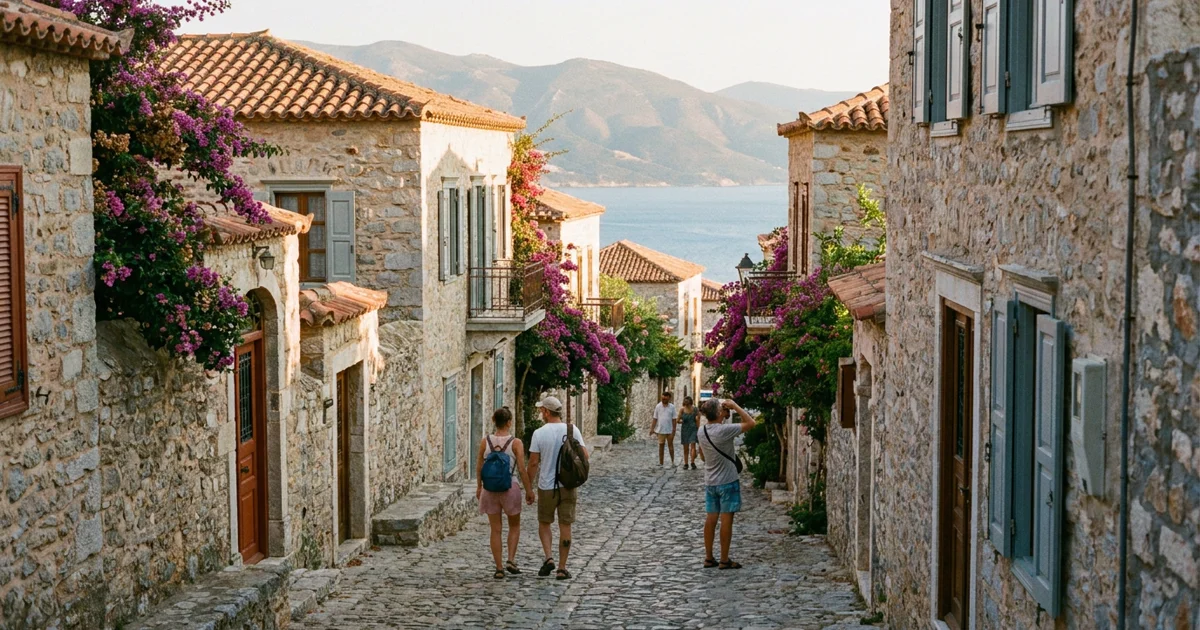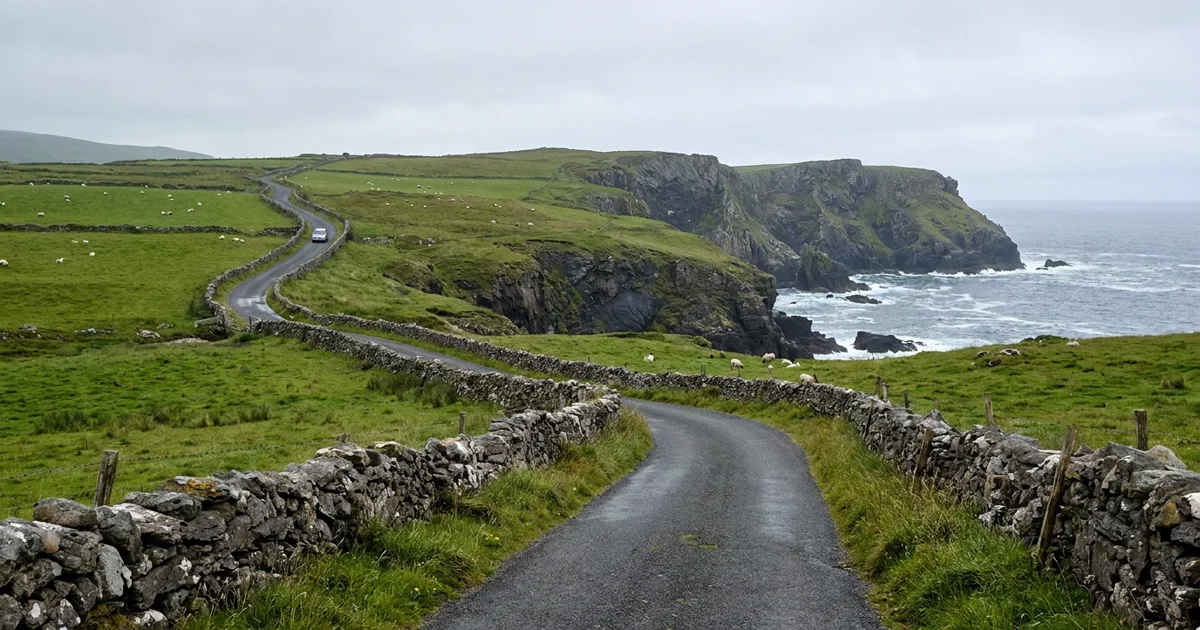
Ireland’s west coast makes a lot of sense for summer 2026. While much of southern Europe is getting hotter, busier and more expensive in July and August, western Ireland gives you cooler air, dramatic scenery, pub towns, coastal drives and long daylight without turning the trip into a heat-management exercise.
This is not the place for a beach vacation in the Mediterranean sense. It is better than that if you like road trips, wild cliffs, small towns, live music, seafood, misty mornings and landscapes that change every twenty minutes. The trick is not trying to see the entire Wild Atlantic Way in one trip.
For a first-timer, I would build the route around Galway, Connemara, the Cliffs of Moher and Dingle. That gives you enough variety without spending the whole week in the car. Toma can help turn that into a personalized itinerary based on your pace, whether you want pubs, hikes, scenic drives or quieter coastal stays. After the trip, the app also creates a Travel Wrapped with your best moments.
Why western Ireland works as a summer coolcation
The coolcation trend is not just a buzzword. Travelers are actively looking for places where summer feels comfortable again, especially in Europe. Ireland fits that shift because the weather is mild, the days are long and the landscape looks alive in summer.
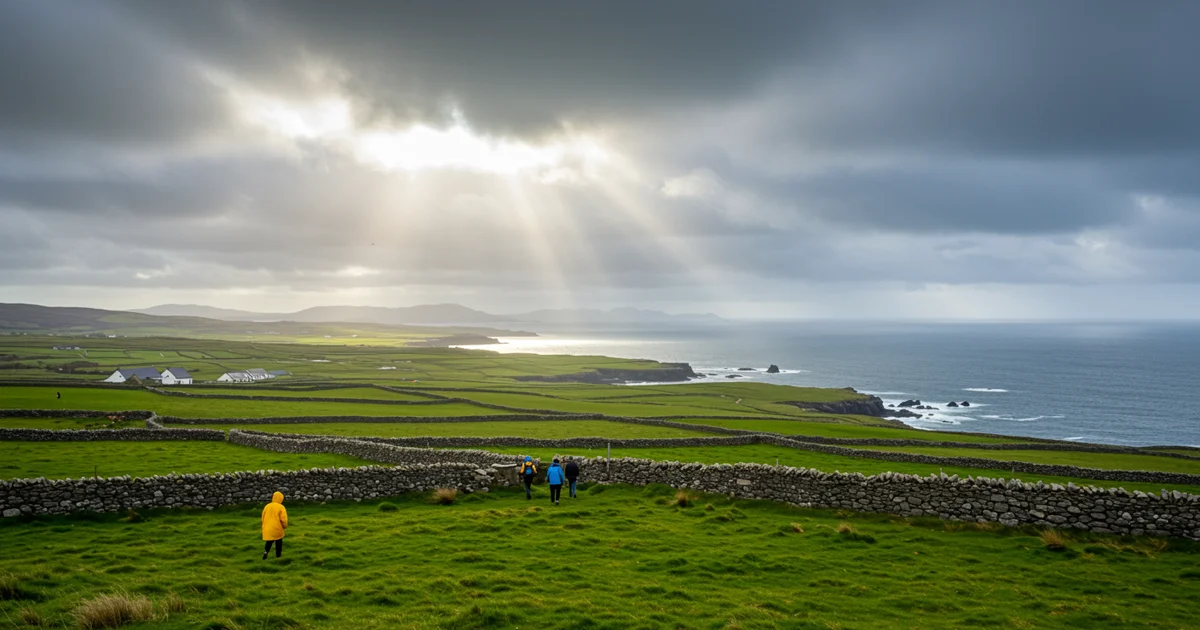
You still need to be honest about rain. Western Ireland can give you sunshine, drizzle and wind on the same afternoon. But that is part of the appeal if you plan correctly. Pack layers, leave room in the schedule and do not make the whole trip depend on one perfect-weather hike.
The payoff is huge. Green fields run into sea cliffs. Sheep wander near narrow roads. Towns like Dingle and Galway feel social without needing a big nightlife plan. You can eat oysters, listen to live music, walk a headland trail and still be back at your guesthouse before dark.
How many days you need
Seven days is the sweet spot for a first west coast route. You can technically do it in five, but it starts feeling compressed. Ten days is better if you want to go deeper into Connemara, add the Aran Islands or slow down in County Kerry.
For this itinerary, assume you have one week after arriving in Dublin or Shannon. Shannon is easier for the west coast if flight options work for you. Dublin gives you more international routes, but it adds driving time at the beginning and end.
Renting a car is the best choice for this route. Trains and buses can connect major towns, but the most memorable parts of western Ireland sit between places: viewpoints, beaches, headlands, ruins and roads where you pull over because the light suddenly changes.
Day 1: Arrive and settle into Galway
Start in Galway if you want an easy first base. It has energy, restaurants, pubs, walkable streets and enough structure to help you settle in after the flight. Do not overplan the first day. Check in, walk the Latin Quarter, see the Spanish Arch and get dinner somewhere casual.
Galway is also a good place to adjust to Irish pacing. Meals run later than you might expect in pubs, live music can be spontaneous and the weather can shift quickly. Keep the evening flexible.
If you land in Dublin, drive west only if you feel rested. Otherwise, spend one night near the airport or in Dublin, then start early the next morning. A tired first-day drive across Ireland is not worth the risk.
Day 2: Connemara without rushing
Connemara is where the trip starts to feel wild. The landscape opens into mountains, bogland, lakes and coast. From Galway, you can make a loop through places like Clifden, Sky Road, Kylemore Abbey and parts of Connemara National Park.
Do not try to hit every stop. Pick two or three priorities and let the roads do the rest. Sky Road is beautiful in clear weather. Kylemore Abbey gives you a strong visual anchor if you want history and gardens. Diamond Hill in Connemara National Park is a great hike if conditions are good.
This is where Toma’s personalized planning is useful. The app can build a day that matches your energy level, so you are not stacking a long hike, a scenic loop and a late restaurant reservation into one exhausting plan. You still get the highlights, just in an order that makes sense.
Day 3: Cliffs of Moher and the Burren
The Cliffs of Moher are famous for a reason. They are also busy for a reason. Go early or later in the day if you want a better experience. Midday can feel like everyone on the west coast arrived at once.
Pair the cliffs with the Burren, a limestone landscape that feels completely different from the green postcard version of Ireland. The contrast is what makes the day interesting: sheer Atlantic cliffs, gray rock, small villages, coastal roads and changing weather.
If you like smaller stops, look at Doolin for music and food. It is touristy, but still useful as a base or lunch stop. If you want a quieter feel, stay outside the busiest village centers and use this night as a reset before heading south.
Days 4 and 5: Dingle Peninsula
Dingle is the part of the trip that many travelers remember most. The town has color, pubs, seafood and a good traveler atmosphere, but the real magic is the peninsula around it.
Spend one day on Slea Head Drive. Go slowly. The roads are narrow, the views are constant and the stops are better when you are not treating them like a checklist. Expect beaches, stone walls, cliffs, islands in the distance and small pullouts that make you want to stay longer than planned.
The second day can be active or slow. You could hike part of Mount Brandon if weather and fitness line up. You could visit beaches, book a boat trip, or just use Dingle town as a base for food, music and wandering. If the forecast is rough, this is where flexibility matters. A rainy Dingle day can still be excellent if you stop trying to force a postcard version of the trip.
Day 6: Killarney or Ring of Kerry, but be selective
The Ring of Kerry is one of Ireland’s classic drives, but it can become too much if you have already spent several days on scenic roads. Instead of forcing the whole loop, choose a tighter version.
Killarney National Park is a strong option. You can see lakes, forest, Muckross House and viewpoints without spending the entire day behind the wheel. If you want a grand finale drive, pick the parts of the Ring of Kerry that genuinely interest you rather than treating the full circle as mandatory.
This is also a good day to build in a nicer dinner or a final pub night. A great trip does not need to peak with the longest drive. Sometimes the best ending is a manageable day that leaves you with enough energy to enjoy the evening.
Day 7: Return with a buffer
Use the final day as a buffer, especially if you are flying out of Dublin. Irish roads can be slower than they look on a map. Narrow lanes, rain, tractors and photo stops all change the timing.
If your flight is early the next morning, sleep near the airport or at least closer to your departure city. Do not plan a long cross-country drive and an international flight on the same day unless you enjoy stress as a travel style.
If you have a late flight from Shannon, you can keep the final day gentler. Have a slow breakfast, take one last coastal walk and return the car without rushing.
Where to stay along the route
For a seven-day version, I would use three bases: Galway for two nights, Dingle for two or three nights and Killarney or another Kerry base for the final stretch. That keeps packing and unpacking under control while still giving you range.
Guesthouses and small hotels suit this trip better than big resorts. You want parking, breakfast, local advice and a location that does not make every dinner complicated. In summer, book early. The west coast is not a secret, especially in towns with limited lodging.
If you prefer a quieter trip, stay slightly outside the most popular towns. Just make sure you are comfortable driving at night on narrow roads, because rural darkness in Ireland is very real.
What to pack for an Irish summer road trip
Pack for movement, not for glamour. You need layers, a waterproof jacket, comfortable shoes, one warm layer for evenings and clothes that can handle wind. Sunglasses still matter, but so does a rain shell.
A small daypack is useful for hikes and cliff walks. Bring a power bank, because navigation and photos will drain your phone. If you are renting a car, check whether your lodging has reliable parking before booking.
The most important thing to pack is flexibility. If the forecast turns ugly, swap a hike for a town day, a museum, a pub lunch or a shorter coastal walk. Ireland rewards travelers who adapt.
Common mistakes to avoid
The first mistake is trying to drive too far. The Wild Atlantic Way looks tempting on a map, but doing the whole thing quickly turns the trip into a blur. Pick a region and go deeper.
The second mistake is underestimating road time. A route that looks short can take longer because of narrow roads and frequent stops. Build days around experiences, not mileage.
The third mistake is planning only outdoor highlights. You need backup plans in Ireland. Good pubs, food stops, small museums, towns and flexible afternoons are not filler. They are what keep the trip enjoyable when the weather changes.
How to make the route feel personal
This route can become a hiking trip, a food trip, a photography trip, a pub music trip or a slow coastal escape. The destination is flexible enough to match different travel styles, but only if you stop copying generic routes.
Use Toma to build the version that fits you. The app creates AI-powered personalized itineraries, helps you organize the trip day by day and turns your memories into a Travel Wrapped afterward. That matters on a route like western Ireland, where the best plan is not the one with the most stops. It is the one that keeps you present.
Ireland’s west coast is not the easiest summer trip in Europe, and that is exactly why it feels rewarding. It asks for layers, patience and room for weather. In return, it gives you cliffs, green roads, music, seafood, wild Atlantic light and a summer that feels refreshing instead of exhausting.