Namibia is having the kind of travel moment that makes sense. Travelers want trips that feel bigger than a city break, but not so complicated that planning becomes a second job. Namibia sits right in that sweet spot: dramatic desert landscapes, serious wildlife, good road trip infrastructure and a winter season that works beautifully for first-timers.
The country is not a cheap impulse trip, and it is not the place to improvise every day. But it is one of the most rewarding safari destinations if you want space, scenery and a journey that feels genuinely different from the standard lodge circuit.
Toma is useful for exactly this kind of trip. The app builds personalized itineraries around your dates, pace and budget, keeps the plan with you while you travel, and turns the journey into a Travel Wrapped afterward so the best moments are easy to revisit.
Why winter is the smart season for Namibia
Namibia’s winter runs roughly from June to August. For travelers from the US, UK, Canada and Europe, that lines up with northern summer vacation time, which makes it easier to use longer holiday windows.
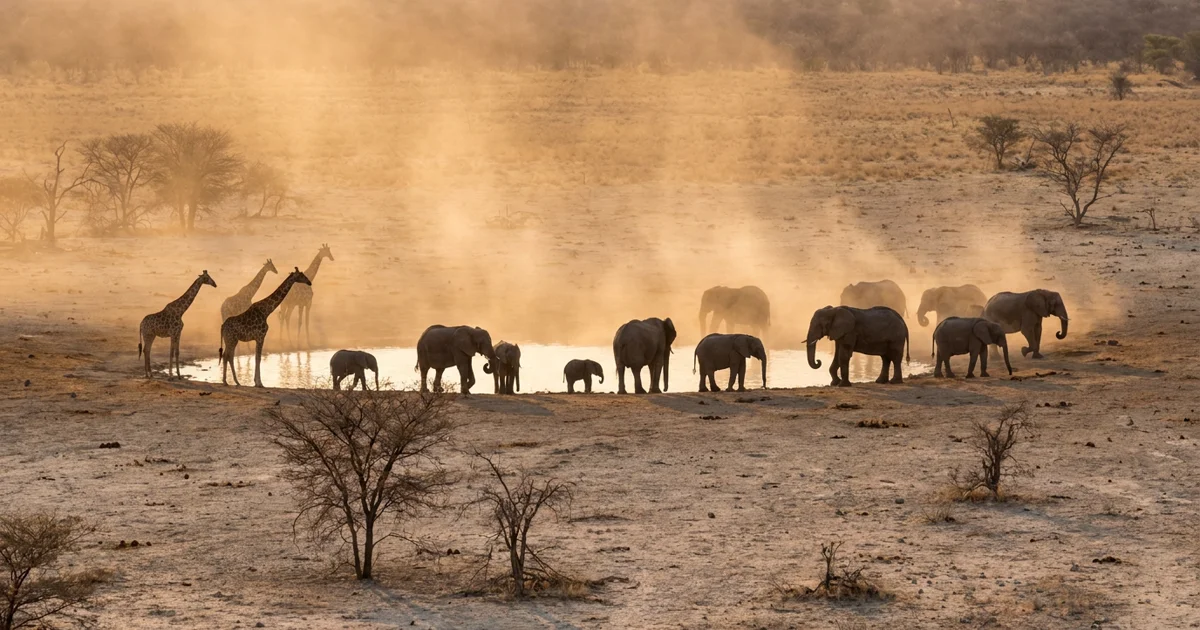
The weather is one of the biggest advantages. Days are usually dry and mild, while nights can get cold, especially in the desert. That dry season matters for wildlife. In places like Etosha National Park, animals often gather around waterholes, which makes sightings more reliable than in greener months.
Winter also makes the landscapes feel sharper. The air is clearer, the roads are less muddy and the desert light has that clean, low-angle quality that turns simple scenes into photographs you actually want to keep.
Who Namibia is best for
Namibia is ideal for travelers who want nature without being guided every minute. It suits couples, small groups and solo travelers who are comfortable with long drives, early starts and big distances.
It is not the best fit if you want nightlife, resort service or a trip where every transfer is short. The reward comes from the scale: red dunes, gravel roads, salt pans, wildlife, empty horizons and nights where the sky feels almost unreal.
Compared with some safari destinations, Namibia can feel more independent. You can self-drive parts of the trip, stay in lodges or guesthouses, and build a route that mixes desert, coast and wildlife instead of spending the whole trip in one private reserve.
The classic route that works
A strong first Namibia trip usually starts and ends in Windhoek. From there, many travelers build a loop through Sossusvlei, Swakopmund or Walvis Bay, Damaraland and Etosha National Park.
Sossusvlei is the desert image people have in their heads: giant dunes, pale clay pans and early morning light. It is worth the hype, but only if you give it enough time. Rushing in for one sunrise and leaving immediately makes the long drive feel heavier than it needs to be.
Swakopmund gives the route a change of rhythm. The coast is cooler, foggier and more relaxed. It is a good place to slow down, eat well, take a boat trip from Walvis Bay or simply reset between desert and wildlife days.
Damaraland adds rock formations, desert-adapted wildlife and a wilder feeling. Etosha is the wildlife anchor, especially in winter, when waterholes become the main stage.
How many days you need
Seven days is possible, but it is tight. You will spend too much of the trip in the car and not enough time actually absorbing the places you drove so far to see.
Ten to twelve days is the better first-trip window. That gives you time for Windhoek, two nights near Sossusvlei, two nights on the coast, one or two nights in Damaraland and at least three nights around Etosha.
If you have two full weeks, Namibia gets even better. You can slow the route down, add buffer days and avoid the mistake of treating the country like a checklist.
The distances are not a small detail in Namibia. They are the trip. Plan fewer stops and stay longer in each place.
Self-drive or guided safari
Self-driving is one of Namibia’s big appeals. The country has a reputation for being one of Africa’s more accessible road trip destinations, and many visitors do drive themselves between major stops.
That does not mean you should treat it casually. Gravel roads, long distances, limited services and changing conditions require planning. A suitable vehicle, offline maps, daylight driving and conservative timing are not optional extras.
Guided trips cost more, but they reduce friction. They make sense if you do not want to think about roads, park logistics or long driving days. A hybrid approach can also work: self-drive the broader route, then book guided game drives or local activities in key areas.
Toma can help compare these route styles before you commit. You can ask it to build a self-drive version and a more guided version, then compare pace, nights and where the trip starts to feel too compressed.
What to prioritize in Etosha
Etosha is the main reason many travelers choose Namibia in winter. The dry season makes waterholes especially important, so patience often beats constant movement.
Do not try to see the entire park in one frantic day. Choose bases that let you explore different sections without driving from dawn to dark. Early morning and late afternoon are usually more rewarding than the middle of the day.
The best Etosha experience is often slower than people expect. You drive, stop, wait and watch. A quiet waterhole can turn into the highlight of the trip when elephants, giraffes, antelope or predators appear in the same frame.
What winter packing really looks like
Pack for contrast. Namibia in winter can feel warm in the sun and cold before breakfast. Bring light layers for daytime, a warmer jacket for evenings, comfortable shoes, sun protection and a scarf or buff for dusty drives.
Neutral colors make sense for safari days, but you do not need to dress like you are joining an expedition. Practical, breathable clothes win. A small daypack, reusable water bottle, power bank and offline map setup will matter more than an overbuilt wardrobe.
For photography, bring more storage than you think you need. The landscapes are huge, and the light changes quickly. Even phone photos can look excellent if you shoot early and avoid harsh midday glare.
Budget reality
Namibia is not the cheapest way to do Africa. Vehicle rental, fuel, park fees, remote lodges and long distances add up. The country rewards planning ahead, especially for winter travel dates when the best lodges and camps can book out.
The easiest way to control costs is to avoid overcomplicating the route. Fewer stops mean less fuel, fewer one-night stays and a more relaxed trip. Mixing guesthouses, camps and a few special lodges can also keep the budget from exploding.
Food and activities vary widely. Some days may be simple road trip meals and early nights. Others might include guided drives, boat trips or scenic activities. Build the budget around the experiences that actually matter to you, not around doing everything possible.
The itinerary I would choose
For a first Namibia winter trip, I would plan 12 days. Start with one night in Windhoek, then two near Sossusvlei, two on the coast, two in Damaraland and four around Etosha, with one final night back near Windhoek before flying out.
That route gives the trip shape. Desert first, coast second, wild landscapes third, wildlife last. It also avoids the biggest planning mistake: moving every single day because the map looks emptier than it feels on the ground.
Namibia is not a destination to rush. It is a place where the space between stops becomes part of the memory. If you plan it with realistic driving days, strong bases and enough time to sit still at waterholes, winter can be the best possible season to go.
If you want help turning that into a day-by-day plan, build it in Toma. It creates a personalized itinerary for your travel style, keeps the route handy during the trip and gives you a Travel Wrapped afterward with the moments that made the journey worth it.