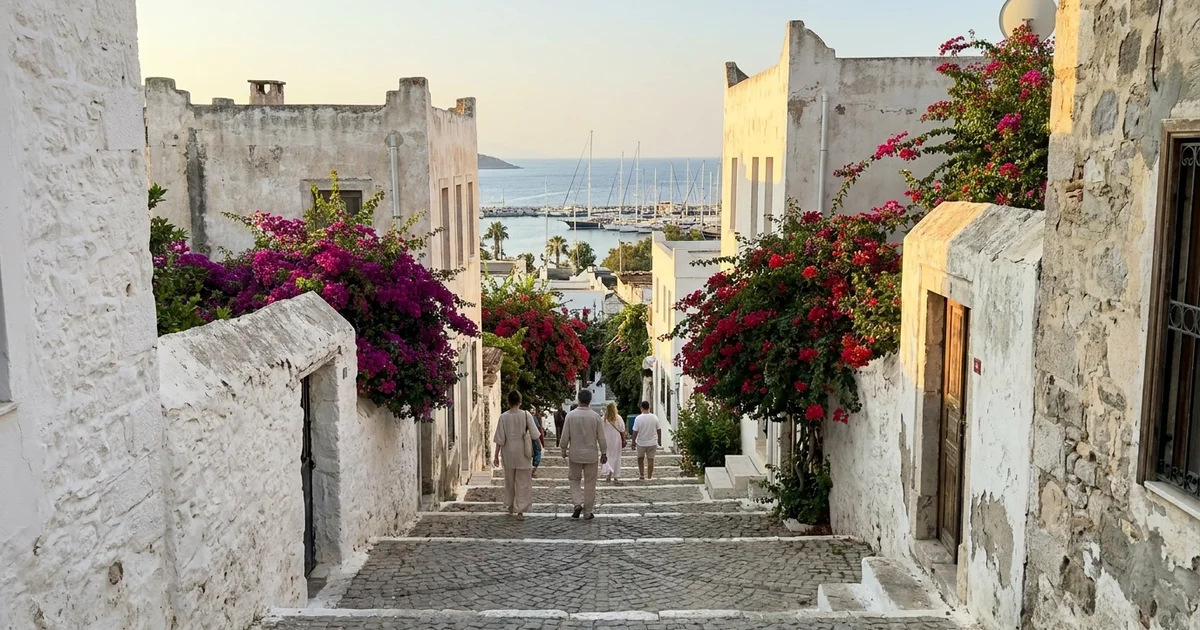
For years, travel has often been a race to check boxes: see the main sights, take the photo, and move on. But a shift is happening. For 2026, travelers, especially Millennials and Gen Z, are seeking more than just a fleeting glimpse of a new place. They crave connection, understanding, and experiences that leave a lasting mark. This is the heart of immersive, slow travel, and there are few cities in the world better suited to it than Mexico City.
CDMX is a sprawling, energetic metropolis that can’t be fully understood in a weekend of rushing between highlights. Its magic isn’t just in the ancient pyramids or grand museums; it’s in the quiet morning moments in a Condesa park, the complex flavors of a home-cooked mole, and the rhythm of a salsa class in a public square. To truly experience it is to slow down and participate, not just observe.
Planning a trip that goes deeper can feel daunting. That’s where an AI-powered itinerary planner like Toma comes in. By understanding your interests, it can help you build a personalized journey that balances iconic sites with the local, immersive experiences that make a trip unforgettable. At the end, your Travel Wrapped feature will remind you not just of what you saw, but of what you learned and felt.
Learning the Culture Through Food
One of the most direct ways to connect with Mexican culture is through its world-renowned cuisine. An immersive cooking class that starts at a local market is an experience that stays with you long after the meal is over.
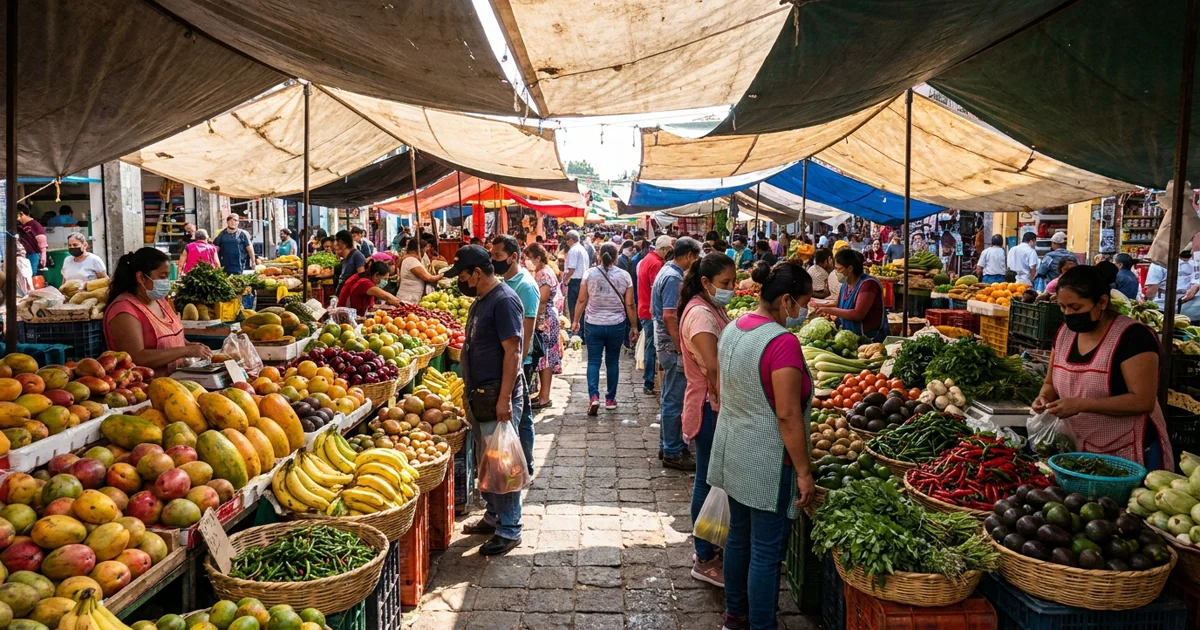
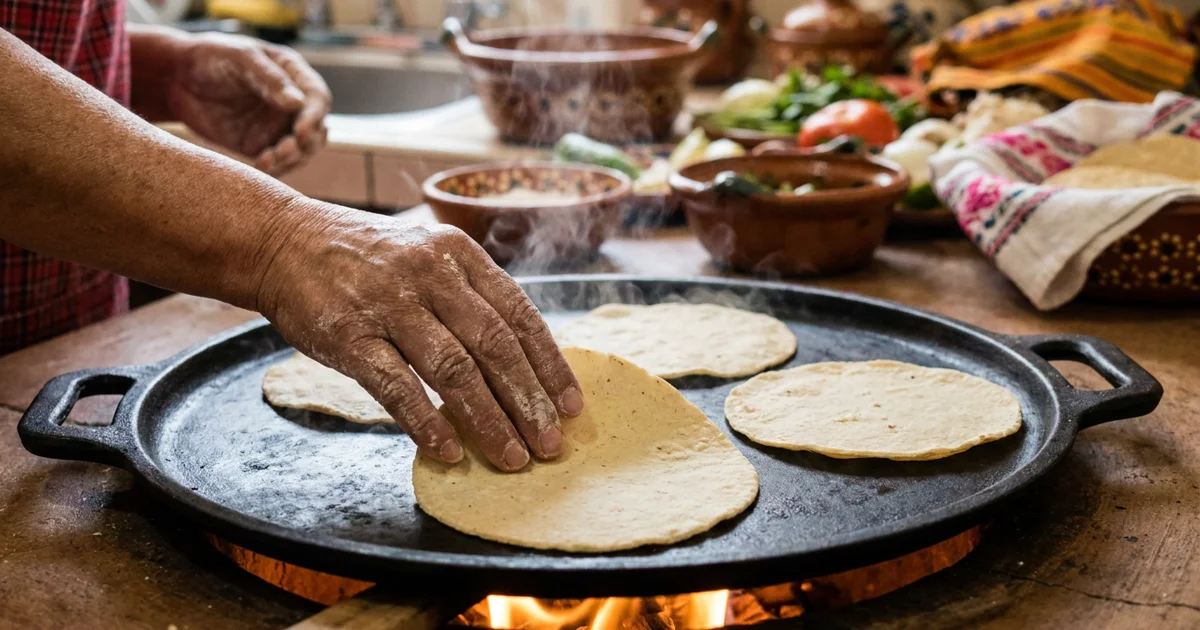
In neighborhoods like Roma Norte, you can join a chef for a morning tour of a bustling mercado. Here, you’ll learn about unfamiliar fruits, the dozens of chili varieties, and the importance of fresh, local ingredients. Back in a private kitchen, you’ll get hands-on, learning the techniques behind classics like tamales, complex moles, or fresh salsas. It’s a sensory experience that provides a deeper appreciation for every taco you’ll eat for the rest of your trip.
The Art of Slow Travel: Neighborhood Deep Dives
Instead of crisscrossing the city to see scattered sights, pick a neighborhood and dedicate a day to exploring it on foot. The tree-lined streets of La Condesa and Roma are perfect for this.
- La Condesa: Known for its stunning Art Deco architecture and the expansive Parque México, Condesa is a haven for walkers. Spend a morning strolling around the park’s elliptical path, watch the local dog walkers, and find a bench to simply people-watch. The area is filled with specialty coffee shops, small galleries, and boutiques that you’d miss from a car.
- Roma (Norte & Sur): With a slightly edgier, bohemian vibe, Roma is a hub of creativity. Browse the weekend markets, discover independent bookstores like El Péndulo, and admire the elegant, and sometimes crumbling, Porfirian-era mansions. It’s a neighborhood that rewards curiosity.
This slow, deliberate exploration allows for the serendipitous moments that often become the most cherished travel memories—stumbling upon a hidden courtyard, having a spontaneous conversation with a shop owner, or discovering your favorite café.
Participate in the City’s Rhythm
Immersive travel is about participation. On weekends, public spaces in Mexico City come alive with cultural activities. Head to Alameda Central, the city’s oldest municipal park, on a Saturday or Sunday, and you’ll likely find informal salsa and bachata classes taking place. Joining in, even just for a few songs, is a joyful way to connect with the local community.
While visiting the grand Palacio de Bellas Artes is a must, also consider seeking out smaller, independent art galleries in Roma or San Rafael. These spaces offer a glimpse into the city’s contemporary art scene and a more intimate viewing experience.
Even iconic sites like the Teotihuacán pyramids can be approached with a slow travel mindset. Instead of a rushed morning tour, consider an overnight stay nearby to see the pyramids in the soft light of late afternoon or early morning, long after the tour buses have departed.
By shifting your focus from a checklist to a series of experiences, you’ll leave Mexico City with more than just photos. You’ll leave with new skills, a deeper understanding, and a genuine connection to the soul of this incredible city. And when you’re ready to plan that deeper dive, let Toma help you craft the perfect, personalized itinerary.